Beyond the Panels: What Kaduna's 35MWp Solar Project at Maraban Jos Means for Communities
Focus: REA 35MWp Solar Project | Green Economic Zone, Maraban Jos, Kaduna State | Contract REA-NEP/C/EEI/25/18 (10 May 2021) | US$46.2 Million
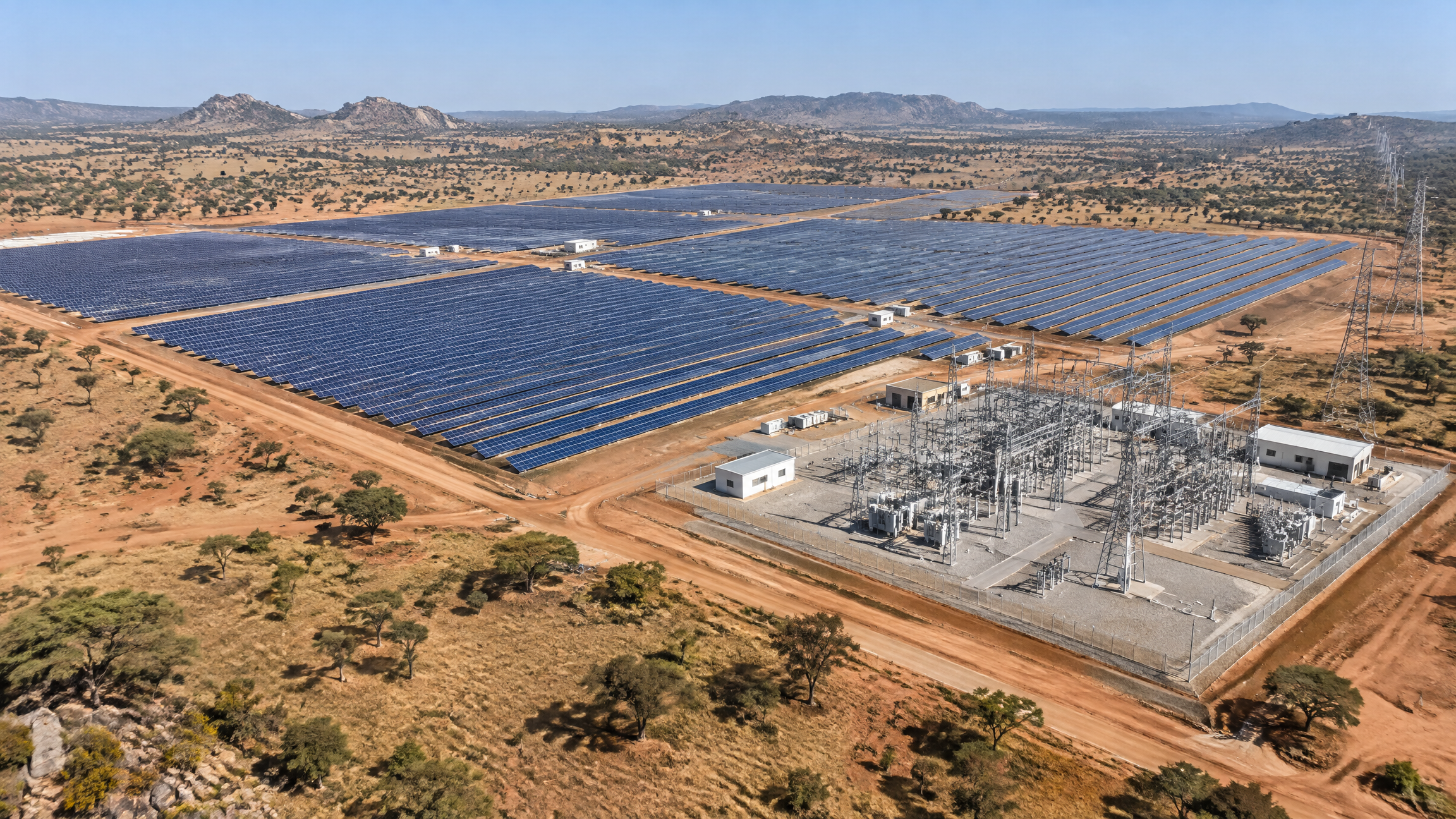
Large energy projects are usually discussed in megawatts and dollars. But what does the 35MWp solar plant at Kaduna's Green Economic Zone (GEZ) in Maraban Jos really mean for the people living around it? Here's the sociological story behind the panels.
Electricity as a Social Resource
Sociologists have long observed that access to power is unevenly distributed — and that this unevenness reinforces other inequalities. In Nigeria, the World Bank notes that the poorest households are far less likely to be connected to the grid than wealthier ones, and the gap between rural and urban areas remains wide. Where power exists but is unreliable, those who can afford generators cope; those who cannot are left behind.
A project located at an industrial zone raises an obvious question: who benefits? Its most direct beneficiaries will be businesses operating within the GEZ. Its wider social value depends on whether those businesses hire locally, buy from local suppliers and create opportunities that reach surrounding communities such as Maraban Jos, Kangimi and the wider Igabi LGA.
Work and Livelihoods: More Than Megawatts
The clearest social pathway is employment. Construction brings short-term jobs, while an operating industrial zone can offer longer-term work in processing, logistics, maintenance and services. For a young population in Northern Nigeria, stable formal employment carries social weight beyond income: it shapes status, marriage prospects, family stability and a sense of belonging.
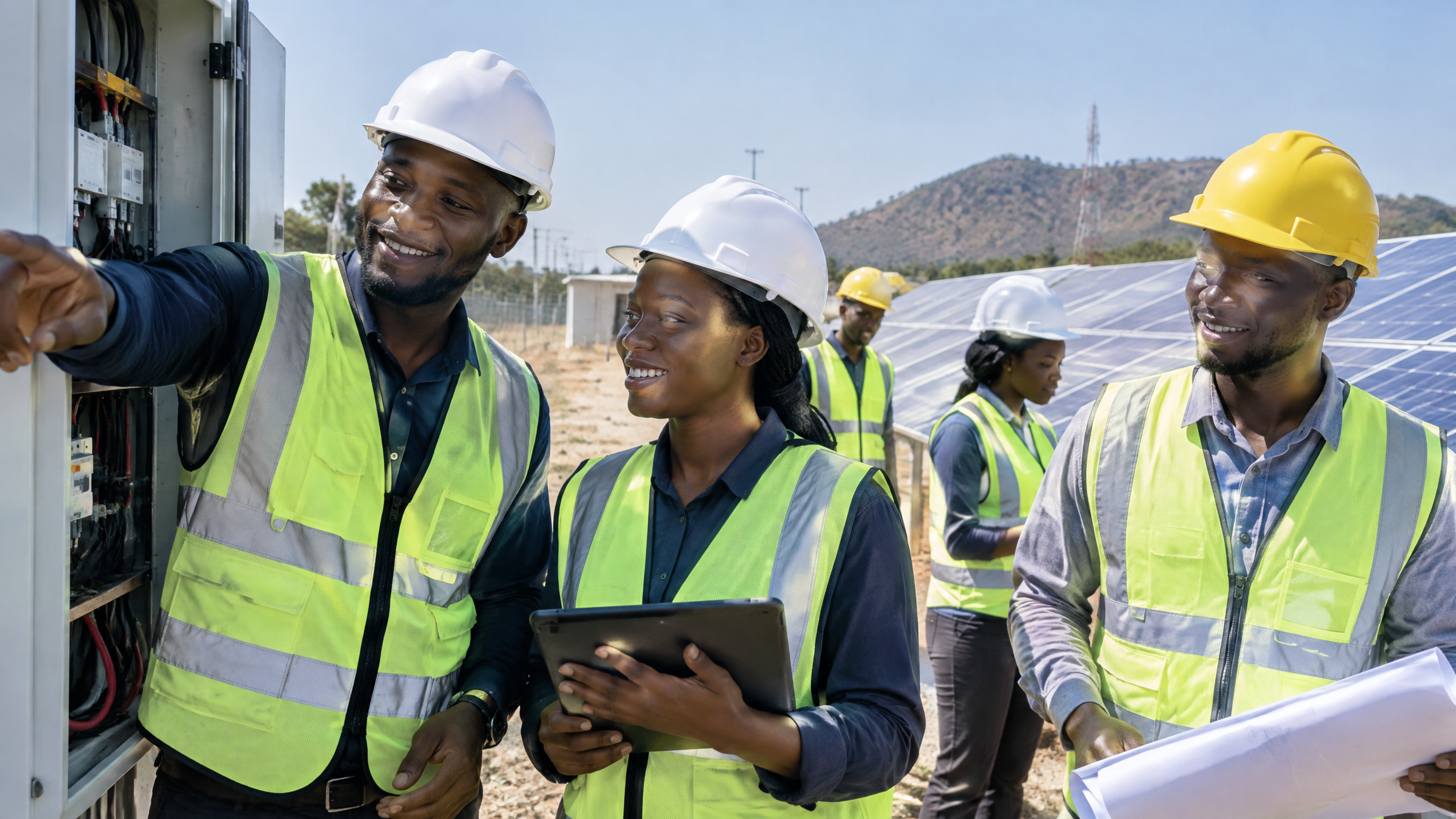
The solar plant itself also creates demand for technical skills. Operating and maintaining solar and substation equipment requires trained technicians — and the presence of such infrastructure can encourage local training institutions like Kaduna Polytechnic and state technical colleges to build relevant programmes.
- Short-term: Construction labour, supply chain
- Long-term: Factory jobs, logistics, solar technicians (O&M)
- Indirect: Tailoring, food processing, retail supported by reliable power
Time, Gender and Daily Life
Reliable electricity affects the rhythms of daily life. Where power supports local businesses and nearby services, women who run small enterprises — food processing, tailoring and retail — may find it easier to extend working hours or use electric equipment. Better-lit streets and markets can improve the sense of safety for women and girls moving about after dark.
These effects are indirect for an industrial-zone project, but they are part of how communities judge whether development is working for them.
Community Relations and the "Social Licence" to Operate
Infrastructure projects succeed or fail partly on their relationship with host communities. Land use, compensation, local hiring, noise and traffic during construction and access to benefits once operational all shape local attitudes.
Key Insight: When nearby residents see power flowing to a fenced industrial area while their own homes remain in darkness, frustration can follow. Clear communication, fair local recruitment and visible community benefits help build what practitioners call a social licence to operate.
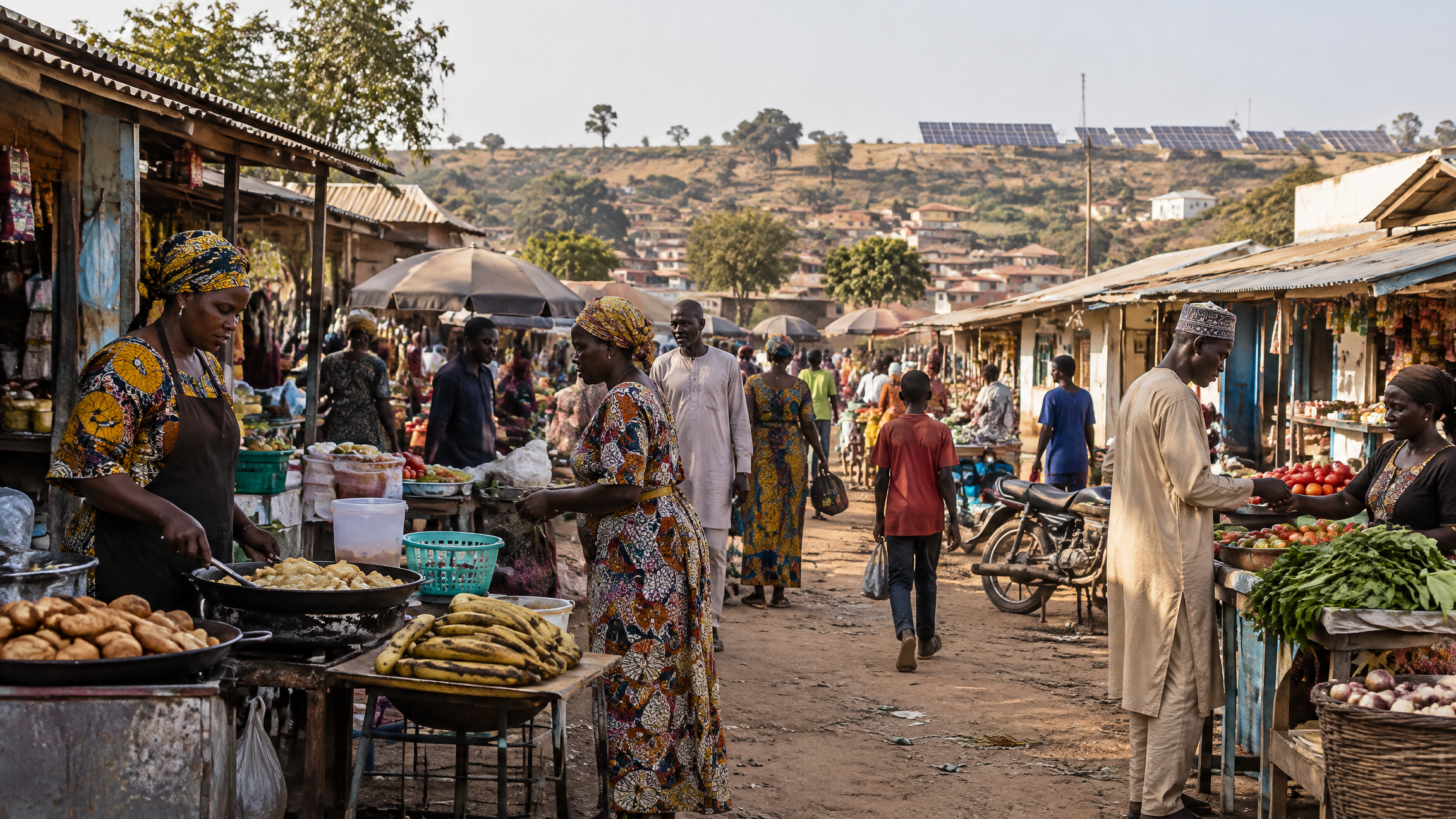
Kaduna is a state of considerable ethnic and religious diversity, and inclusive hiring and procurement practices can help ensure that opportunities are seen as broadly shared rather than benefiting a narrow few.
Trust in Public Institutions
There is also a civic dimension. Nigerians have heard many promises about power. Afrobarometer surveys (Dispatch AD814) have found widespread dissatisfaction with government performance on electricity, even among people connected to the grid. A visible, well-executed project can help rebuild trust; a delayed or poorly explained one can deepen cynicism.
How openly the Rural Electrification Agency (REA) and its partners communicate about progress will shape public perception as much as the plant itself.
The Bottom Line: Measuring Success in Social Terms
The panels at Maraban Jos are a technical asset, but their true measure is social. If the project helps create dignified work, strengthens local enterprise and demonstrates that public investment can deliver, its impact will extend well beyond the boundaries of the Green Economic Zone.
Project At-A-Glance
| Item | Details |
|---|---|
| Location | Green Economic Zone (GEZ), Maraban Jos, Igabi LGA, Kaduna State |
| Capacity | 35MWp solarization of 330/33kV substation |
| Awarding Agency | Rural Electrification Agency (REA) - Notification of Award 10 May 2021, Ref: REA-NEP/C/EEI/25/18 |
| Contract Value | Approx. US$46.2 Million |
| Nearby Communities | Maraban Jos, Kangimi, Igabi, Kaduna Metropolis |
Frequently Asked Questions (FAQ)
Q: Will the Maraban Jos solar plant power nearby homes directly?
No. The 35MWp plant primarily supports the 330/33kV substation and industries within the Green Economic Zone. Community benefit is largely indirect via jobs and local economic growth.
Q: Who benefits most from the project?
Businesses in the GEZ directly, and local residents indirectly through employment, supply opportunities and improved local services.
Q: Where can I verify the project status?
Check the Rural Electrification Agency official website: rea.gov.ng.
This article is based on the REA Notification of Award (Ref: REA-NEP/C/EEI/25/18, Contract No. REA-NEP/C/GO/RFP/98/15B, dated 10 May 2021) and publicly available sources. For the latest status, consult the Rural Electrification Agency (rea.gov.ng). Sources: REA Notification of Award 10 May 2021; World Bank - Igniting Economic Growth by Reforming Nigeria's Power Sector; Afrobarometer Dispatch AD814; Green Economic Zone - gez.com.ng.

Comments
Post a Comment