Powering a Growing Population: The Demographic Case for Solar at Kaduna's Green Economic Zone
Focus: Demographic Perspective | REA 35MWp Solar at Green Economic Zone, Maraban Jos | 86.8M Nigerians Without Electricity | Expires with Kaduna's Youth Bulge
When Nigeria's Rural Electrification Agency awarded a US$46.2 million contract in May 2021 for the 35MWp solarization of the 330/33kV substation at the Green Economic Zone in Maraban Jos, it was responding to more than an energy shortage. It was responding to a population that is growing, urbanising and getting younger faster than infrastructure can keep up.
A Race Between People and Power
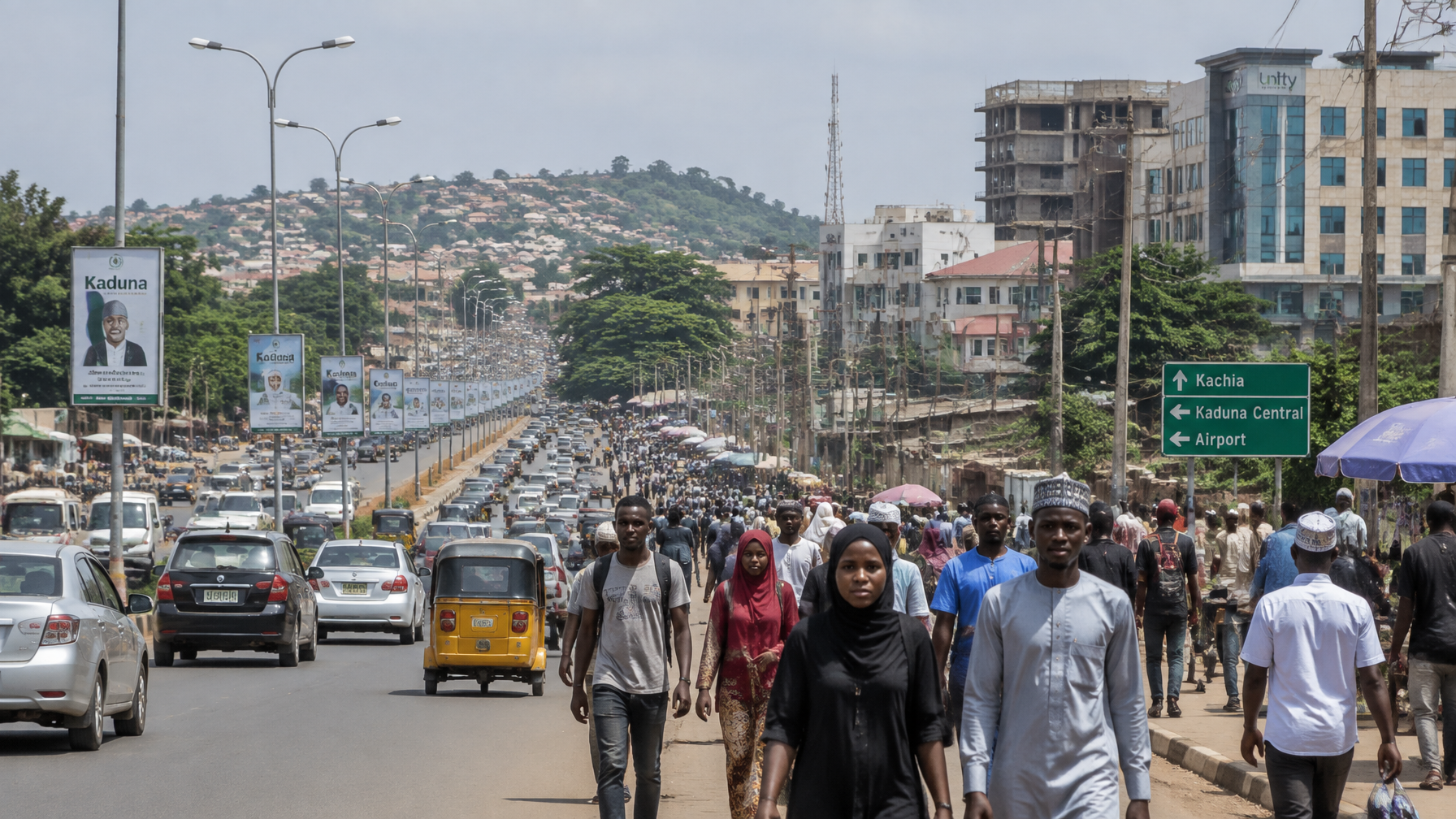
The World Bank has observed that Nigeria's population has grown faster than its electrification efforts. In its 2025 energy progress report, it counted roughly 86.8 million Nigerians without access to electricity — the largest number of any country, for the third consecutive edition of the report. Even as new connections are made, population growth keeps the absolute number without power stubbornly high.
This is the core demographic challenge. Every year, millions of new Nigerians are born, and millions more move to towns and cities in search of work. Each represents future demand for homes, jobs, schools and electricity.
Kaduna's Place in the Picture
Kaduna State recorded just over 6.1 million people in Nigeria's 2006 census, and projections suggest its population has grown substantially since then. It is one of the most populous states in the North and a historic administrative and commercial centre. Its capital sits at the crossroads of major routes linking Abuja, Kano, Zaria and Jos.
The Green Economic Zone's developers highlight exactly this geography: proximity to densely populated neighbouring states is presented as a key selling point, offering both a large labour pool and a large consumer market.
A Young Workforce: The Demographic Dividend
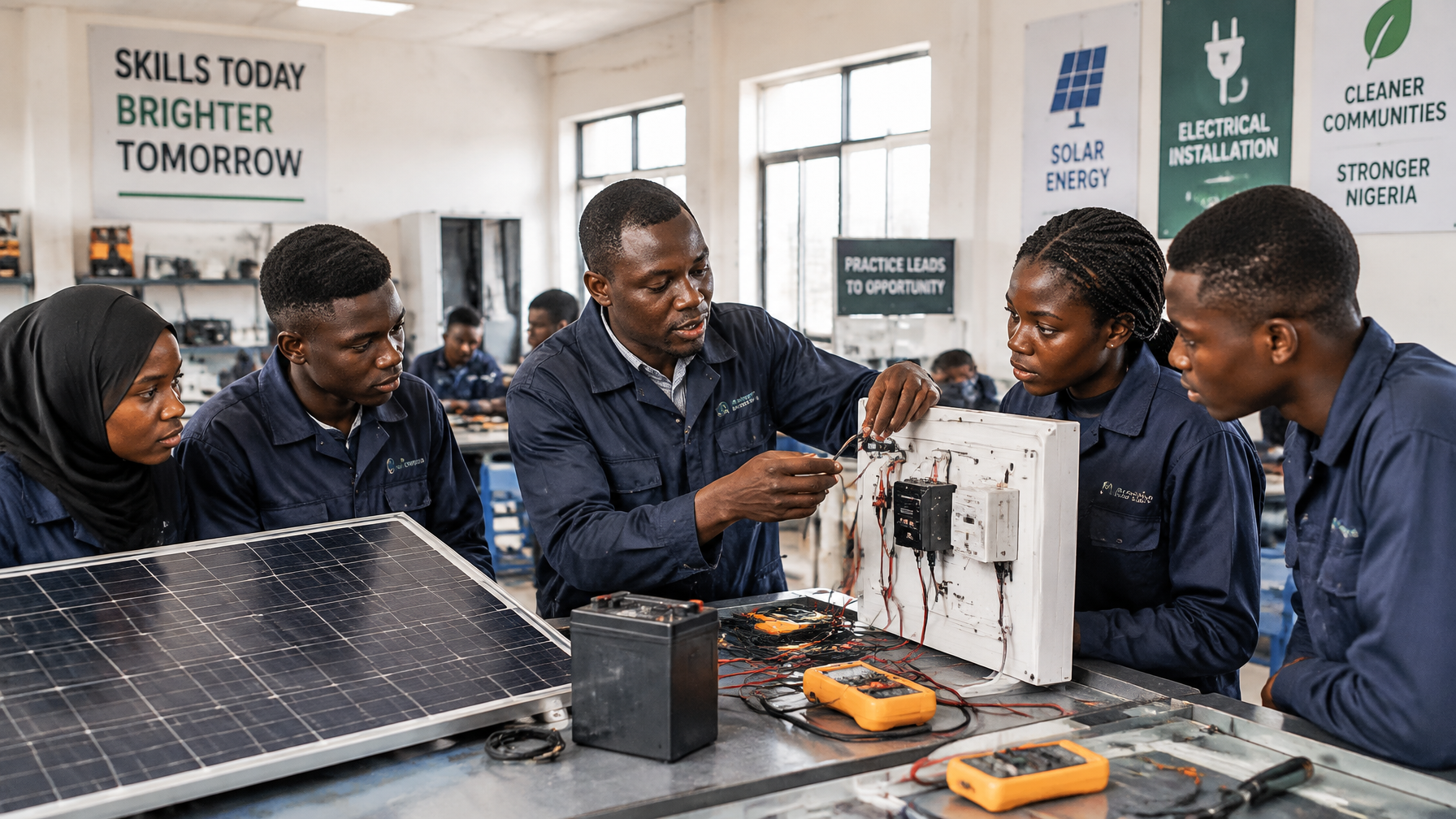
Nigeria has one of the youngest populations in the world. A large share are children, teenagers and young adults. Demographers describe this as a potential "demographic dividend": if young people find productive work, a growing working-age population can drive rapid economic growth. If they cannot, the same bulge brings unemployment and migration pressure.
Electricity is a precondition for the kind of employment that absorbs large numbers of young workers. Manufacturing, agro-processing and logistics — which the GEZ aims to host — are labour-intensive sectors that depend on dependable power. By supporting power supply at an industrial hub, the solar project is, in demographic terms, an investment in the capacity to employ Kaduna's next generation.
- Dividend if employed: Economic growth, stable families, reduced migration
- Risk if not: Unemployment, frustration, urban drift
Urbanisation Along the Corridor
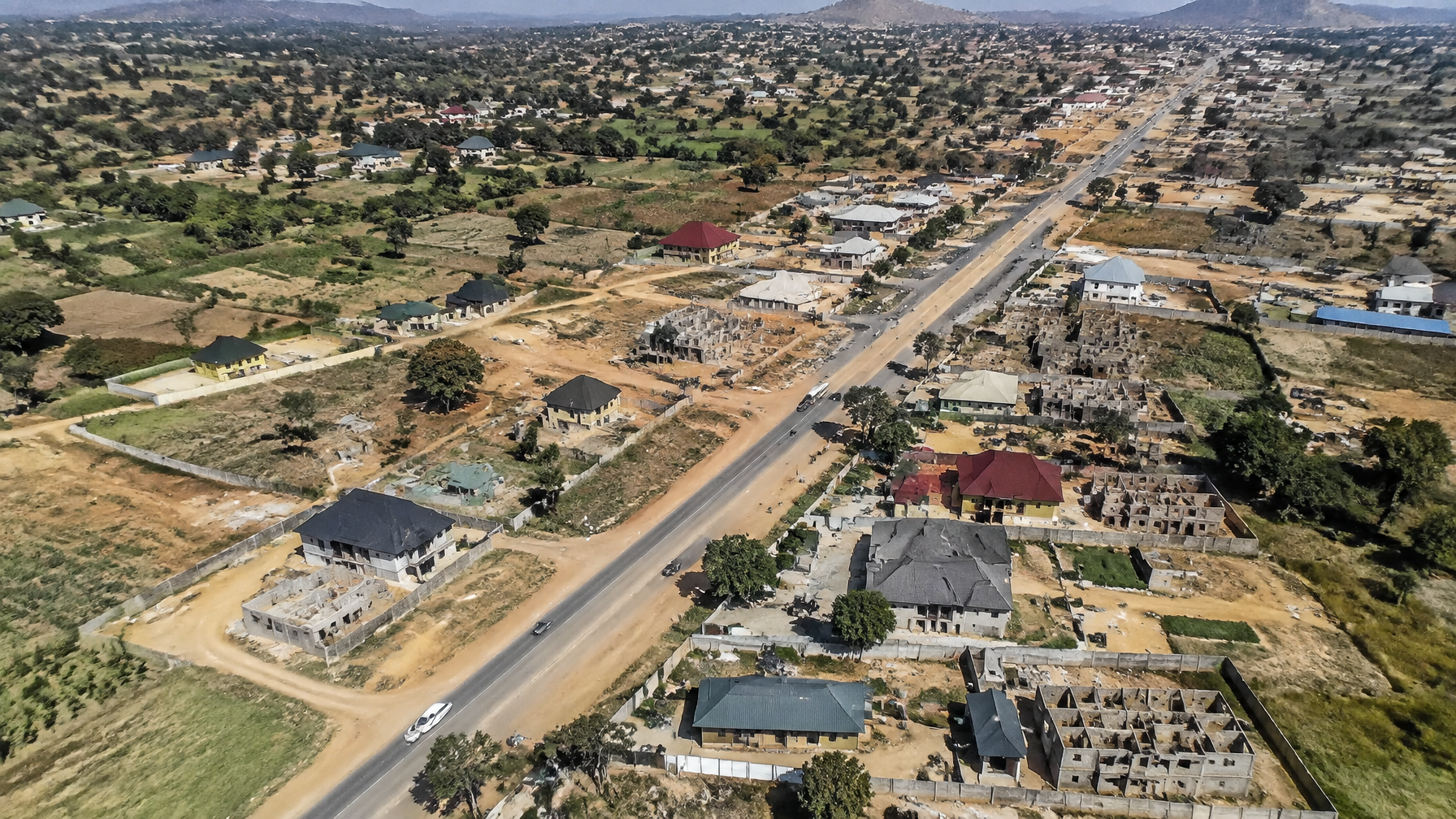
The area around Maraban Jos, on the edge of the Kaduna metropolitan area, illustrates peri-urban growth. As cities expand outward, former farming settlements become suburbs and industrial fringes. Projects like the GEZ can accelerate this process, drawing workers and families towards new centres of activity.
Planners will need to anticipate housing, transport, water and school needs if growth is to be orderly rather than chaotic.
What the Numbers Do Not Show
Demographic averages hide wide gaps. Access to electricity varies sharply between rural and urban areas, between regions and between income groups. A project serving an industrial zone will not by itself close the household access gap in rural Kaduna. Its demographic value lies in helping create jobs for a young population, while other programmes — such as the REA's mini-grid and solar home system initiatives — target households directly.
The Bottom Line: Small Project, Big Demographic Signal
Nigeria's demographic future will be shaped by whether it can provide work and basic services to a rapidly growing, youthful population. Reliable power at hubs like the Green Economic Zone is one piece of that puzzle. The 35MWp solar project is small relative to scale of need, but it points in the direction the numbers demand.
Project & Demographic At-A-Glance
| Metric | Value |
|---|---|
| Project | 35MWp solarization, 330/33kV GEZ Maraban Jos |
| Contract Date/Value | 10 May 2021 / US$46.2M (REA) |
| Nigerians Without Power (2025) | 86.8 million - World Bank/ESMAP Tracking SDG7 2025 |
| Kaduna Population (2006 Census) | 6.1 million + significant growth since |
| Demographic Edge | One of world's youngest populations - dividend or pressure |
Frequently Asked Questions
Q: Why does population growth matter for electricity?
Even as new connections are added, Nigeria adds millions of people yearly. Without faster electrification, the number without power stays high — 86.8M in 2025 despite progress.
Q: Will the GEZ solar plant directly power homes?
Primarily it supports industrial power at the substation/GEZ. Its demographic impact is via jobs for youth; household access is addressed by mini-grids and solar home systems.
Q: Where can I verify the data?
REA Notification of Award 10 May 2021; World Bank/ESMAP Tracking SDG7 2025; National Population Commission 2006 Census; BusinessDay Explainer on Kaduna GEZ (Feb 2024).
Based on REA Notification of Award (Ref: REA-NEP/C/EEI/25/18, dated 10 May 2021) and public sources. For latest status, consult rea.gov.ng. Sources: REA; World Bank/ESMAP Tracking SDG7 2025; National Population Commission 2006 Census; BusinessDay Feb 2024.

Comments
Post a Comment